

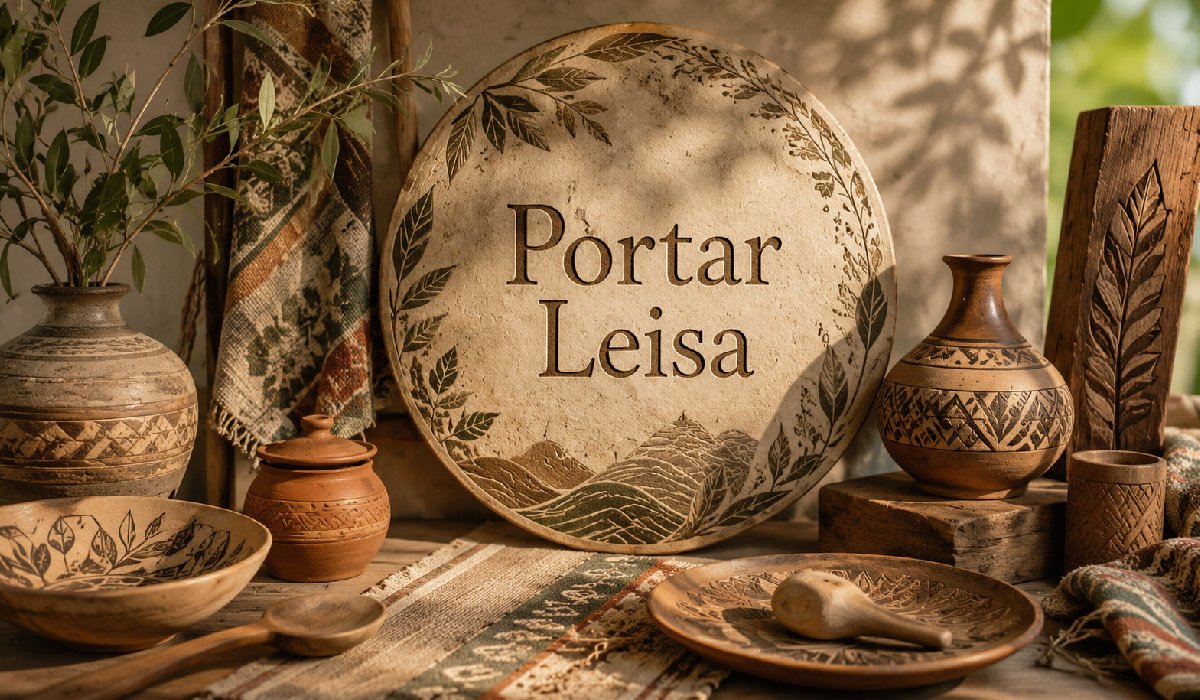
Portar Leisa is a term that has gained attention online because of its unusual name and creative meaning. People searching for it often want to understand what it represents and where the term comes from.
The name is famous mainly because it appears in discussions about traditional crafts, nature-inspired designs, handmade objects, and modern creativity. Its different uses have also encouraged more people to search for its meaning.
In this guide, we explore Portar Leisa from beginning to end. We cover its meaning, background, artistic style, materials, traditional designs, modern uses, photography, technology, cultural value, and future development.
What Is Portar Leisa?
Portar Leisa is a term mainly connected online with art, traditional craftsmanship, natural materials, and simple design. It represents a creative style where useful objects can also carry beauty, patterns, and artistic meaning.
The term is sometimes connected with peaceful landscapes and traditional places. However, its stronger modern use centers on handmade creativity, including clay objects, wooden pieces, fabrics, decorative patterns, and designs influenced by the natural world.
A simple way to understand Portar Leisa is to think of a handmade object inspired by nature. The object may have a practical purpose, but its material, shape, texture, and pattern also make it artistic.
Why Is Portar Leisa Famous?
Portar Leisa attracts attention because it brings several popular ideas together. Traditional craftsmanship, natural beauty, simple living, and handmade decoration have all become important parts of modern interior design and creative culture.
People increasingly value objects that feel different from factory-made products. A handmade bowl, woven fabric, or carved wooden item can contain small differences. Those details give the object its own character and make craftsmanship visible.
The unusual name also creates curiosity. Someone seeing Portar Leisa for the first time may search for its meaning, history, or location. This growing curiosity has helped the term develop a wider presence across online discussions.
Understanding the Idea Behind Portar Leisa
At the heart of Portar Leisa is the idea that everyday objects can combine usefulness with beauty. A plate does not need to be only practical. Its shape, texture, color, and decoration can make it attractive too.
This approach is closely related to traditional craftsmanship. Before modern factories could produce thousands of identical items, many everyday products were made locally by hand. Makers worked with materials they could find around them.
Portar Leisa reflects this handmade approach in a modern setting. Instead of focusing on complicated decoration, its style favors natural textures, simple forms, careful craftsmanship, and designs that can fit comfortably into everyday life.
The Traditional Side of Portar Leisa
Traditional Portar Leisa is associated with objects made slowly and carefully by hand. Clay, wood, cloth, plants, and natural colors play an important role in creating the warm appearance connected with the style.
Handmade production means every object can have small differences. Two bowls created by the same maker may have slightly different shapes. Fabric patterns can also change because they are produced through human work rather than machines.
These differences are an important part of traditional craftsmanship. Instead of being seen as mistakes, small variations can show how an object was created. They give each finished piece an individual appearance and handmade character.
Portar Leisa Art and Craftsmanship
Portar Leisa art is closely linked with craftsmanship because decoration and practical use often appear together. Bowls, plates, fabrics, wooden objects, and decorative pieces can all become part of this creative approach.
The maker plays an important role in the finished object. Choosing suitable material is only the beginning. The material must then be shaped, treated, decorated, dried, painted, woven, carved, or finished depending on the craft.
This process gives handmade work its special appeal. The finished piece carries signs of the person who created it. Small marks, textures, and differences can become part of the design rather than something that needs removing.
Common Portar Leisa Designs
Portar Leisa designs usually focus on simplicity rather than heavy decoration. Repeated lines, basic geometric forms, leaves, plants, curves, and other nature-inspired shapes fit naturally with the style commonly associated with the term.
Patterns can be repeated across fabric or placed around the edge of pottery. On wooden objects, the natural grain may even become part of the design. This reduces the need for complicated additional decoration.
The result is usually a balanced appearance. The pattern supports the object instead of completely covering it. This simple approach makes Portar Leisa-inspired designs suitable for both traditional craft pieces and modern decorative items.
Colors Connected With Portar Leisa
Nature-inspired colors are an important feature of the Portar Leisa look. Cream, brown, soft green, earthy red, beige, and similar shades work well because they resemble materials and colors found outdoors.
These colors can also create a calm appearance. Instead of using many bright shades together, makers can allow the natural material to remain visible. Wood grain and the original appearance of clay are good examples.
Modern designers can expand this color range while keeping the same basic idea. The important feature is balance. Colors should support the material, pattern, and shape instead of becoming the only noticeable part of an object.
Natural Materials Used in Portar Leisa
Clay is one of the easiest materials to connect with this artistic approach. It can be shaped into cups, bowls, plates, pots, sculptures, and decorations. Its natural texture also works well with simple patterns.
Wood offers different possibilities. Makers can carve it, polish it, paint it, or leave much of its natural grain visible. Fabric provides another surface where repeated patterns, natural colors, and handmade techniques can be used.
Plant-based materials and natural pigments can also fit into this creative approach. Together, these materials strengthen the connection between Portar Leisa and nature while showing how ordinary resources can become attractive objects through skilled work.
Portar Leisa and Nature
Nature is one of the strongest themes surrounding Portar Leisa. Materials such as wood and clay already come directly from the natural environment, while patterns can take inspiration from leaves, flowers, water, hills, and other forms.
Artists do not need to copy nature exactly. A leaf can become a simple curved pattern. Flowing water might inspire repeated lines. The shape of a flower could be reduced to a small geometric design.
This approach allows nature to influence an object without making the design complicated. It also explains why earthy colors, rough textures, natural materials, and simple shapes work so comfortably together within the Portar Leisa style.
Handmade Work and Its Importance
Handmade work gives Portar Leisa much of its appeal. Creating an object manually requires decisions at almost every stage. The maker chooses the material, shape, size, pattern, colors, texture, and final finish.
That process naturally produces variation. Machine production is designed to create large numbers of almost identical products. Handmade production works differently because each piece receives individual attention while it is being created.
For buyers and collectors, this difference can add emotional value. An object may feel more personal when its handmade qualities remain visible. This connection between maker, material, and finished piece is central to the Portar Leisa idea.
How Portar Leisa Has Changed Over Time
Traditional ideas do not need to disappear when design trends change. Instead, makers can keep useful elements from older craft styles while adapting them to objects that suit modern homes and lifestyles.
For example, a traditional pattern once placed on pottery could inspire a modern wall decoration. A fabric design might appear on cushions, bags, clothing, or other contemporary products without losing its handmade influence.
This combination helps explain the modern appeal of Portar Leisa. Its creative identity does not depend on keeping every object unchanged. Older-looking patterns, materials, and techniques can inspire completely new designs.
Portar Leisa in Modern Interior Design
Modern homes often use simple furniture, open spaces, and plain surfaces. Handmade objects can add warmth to these spaces without making the room feel crowded. This makes the Portar Leisa approach suitable for interior decoration.
A textured clay vase can become a small focal point. Wooden decorations can introduce natural warmth, while patterned fabrics can add detail to sofas, chairs, tables, or beds without requiring major changes.
The same idea works because contrast creates interest. A handmade object placed beside smooth modern furniture can stand out because its texture and small imperfections are visible. Traditional craftsmanship therefore fits surprisingly well inside contemporary spaces.
Portar Leisa in Fashion and Textiles
Fabric provides many opportunities for Portar Leisa-inspired creativity. Repeated patterns, earthy shades, plant forms, simple lines, and natural-looking textures can be used across clothing, scarves, bags, cushions, and decorative textiles.
Traditional-looking patterns can also be simplified for modern fashion. Designers may use only one part of an older pattern or increase its size. Changing the spacing or colors can produce a completely different appearance.
This shows how traditional inspiration can continue without making every design look old. The main ideas of simplicity, nature, craftsmanship, and thoughtful patterns can remain while designers create products suited to modern tastes.
Portar Leisa and Photography
Portar Leisa also works as an interesting visual idea for photography. Handmade objects naturally contain textures, shadows, small marks, and unusual details that can become strong subjects when photographed carefully.
Natural light is especially useful for this style. Soft sunlight falling across pottery can reveal its surface, while side lighting can show the grain of wood or the raised texture of handmade fabric.
Photography can therefore help communicate something that words sometimes cannot. A close photograph of a maker’s hands, an unfinished clay bowl, or a woven pattern can show the time, effort, and detail involved in craftsmanship.
Portar Leisa in the Digital World
Digital technology has changed how traditional-looking art can be created and shared. Artists can now sketch patterns on tablets, test different layouts, prepare designs, and plan finished pieces before working with physical materials.
Social platforms and online portfolios also allow makers to show their creative process. Instead of displaying only a finished bowl or fabric, an artist can show how the raw material gradually becomes the final product.
Digital technology can therefore support rather than replace craftsmanship. Artists can use modern tools for planning, photography, communication, and selling while continuing to make physical products through traditional or handmade techniques.
Traditional Craft Meets Modern Technology
One interesting part of modern Portar Leisa is the relationship between handcraft and technology. These two approaches may seem opposite, but they can support each other when they are used for different stages of creative work.
A designer might create an early pattern digitally before transferring it onto fabric. A pottery maker could photograph completed work and build an online collection. Digital records can also preserve patterns and creative methods.
Technology therefore provides new ways to document and develop traditional ideas. The final product can still be handmade even when digital tools have helped with planning, recording, marketing, or sharing the creative process with a wider audience.
Why Portar Leisa Appeals to Modern Audiences
Modern life is filled with products created quickly and in huge numbers. This convenience is useful, but it can also make many objects look and feel similar. Handmade craftsmanship provides a noticeable contrast.
Portar Leisa represents that contrast through texture, natural materials, simple patterns, and visible human work. People can appreciate an object not only for what it does but also for how it was designed and created.
Its connection with nature adds another layer of appeal. Wood, clay, plants, cloth, and earth-inspired shades can create a warmer atmosphere than highly polished manufactured materials, especially when used carefully in modern spaces.
The Future of Portar Leisa
The future of Portar Leisa is likely to be shaped by the relationship between traditional-looking craftsmanship and modern creativity. Artists can continue exploring natural materials while introducing new forms, products, and production methods.
Digital tools can also make creative experimentation easier. Makers can test patterns and colors before starting physical work. At the same time, online platforms allow independent artists to introduce handmade products to audiences far beyond their local communities.
The strongest direction for Portar Leisa is therefore not simply old or new. Its appeal comes from combining both worlds: natural materials and modern tools, handmade details and contemporary design, simplicity and creative experimentation.
Final Thoughts
Portar Leisa is best understood as a term associated with handmade creativity, nature-inspired design, traditional-looking craftsmanship, and modern artistic ideas. Its appeal comes from turning simple materials into objects that feel useful, attractive, and personal.
Clay, wood, fabric, natural colors, simple patterns, and visible textures all help create this distinctive feeling. Modern designers can carry these ideas into home décor, fashion, photography, art, and other forms of creative work.
Most importantly, Portar Leisa highlights a simple idea that remains relevant today. Beauty does not always require complicated designs or expensive materials. Sometimes careful craftsmanship, natural inspiration, and attention to small details are enough.
FAQs
What is Portar Leisa?
Portar Leisa is a term associated online with handmade art, traditional-looking craftsmanship, natural materials, and simple design. It commonly brings together ideas involving pottery, wood, textiles, nature-inspired patterns, and modern creative work.
What does Portar Leisa mean?
Portar Leisa does not have one widely established dictionary meaning. Online, the term is mainly used around creative ideas involving traditional crafts, simple patterns, natural materials, handmade objects, and designs influenced by nature.
Is Portar Leisa a place?
The name has sometimes been presented in place-like descriptions involving peaceful landscapes and traditional surroundings. However, Portar Leisa is more useful to understand through the art, craft, nature, and design themes commonly connected with the term online.
What materials are used in Portar Leisa art?
Portar Leisa-style craft is commonly associated with natural materials such as clay, wood, fabric, plants, and natural-looking pigments. These materials work especially well with handmade techniques, simple patterns, earthy shades, and textured finishes.
Why is Portar Leisa popular?
Portar Leisa attracts interest because its unusual name creates curiosity, while its creative themes match modern interest in handmade products, natural materials, simple interior design, traditional craftsmanship, photography, and nature-inspired art.
Latest News And Amazing News. Visit: Insider Zine