

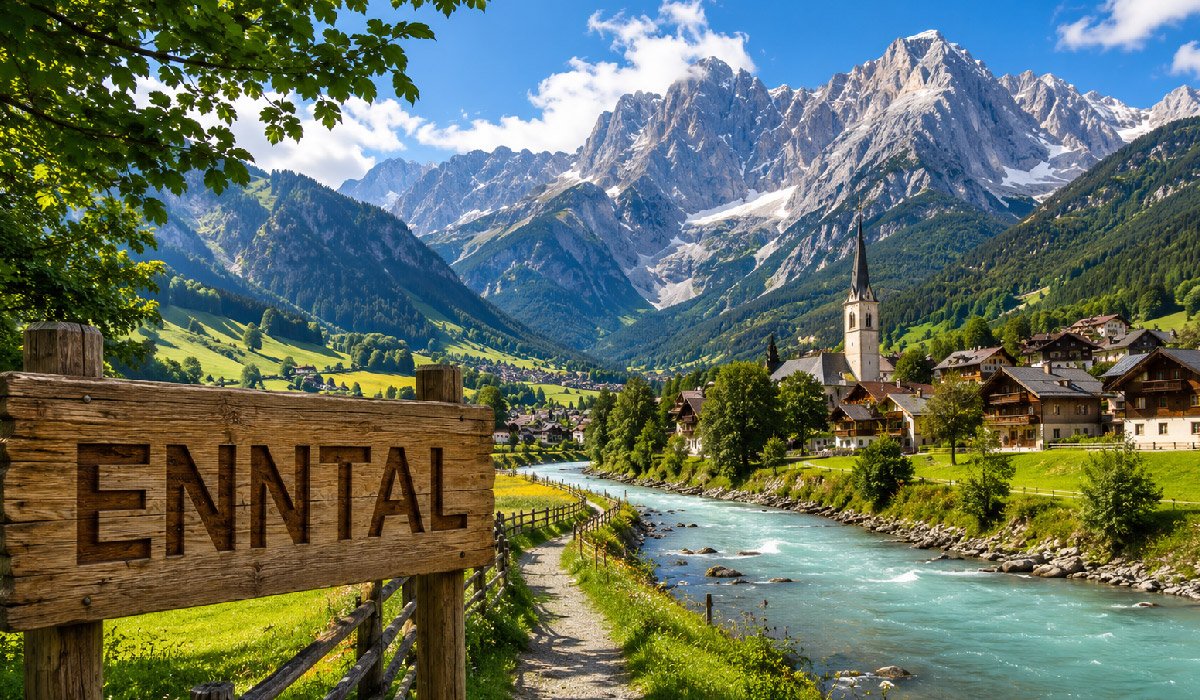
Enntal is a search term connected with one of Austria’s beautiful Alpine regions. Travelers may come across this spelling while looking for mountains, peaceful villages, rivers, lakes, hiking routes, and memorable places to explore.
The term is interesting because it usually points toward Ennstal, the established name of the valley along the Enns River. Its beautiful landscape, ski areas, mountain towns, and outdoor activities make the region popular throughout the year.
This guide explains Enntal from the beginning and shows what travelers can expect from the region. It covers its meaning, location, famous places, seasons, hiking, winter activities, villages, food, transport, accommodation, and practical travel tips.
What Is Enntal?
Enntal is a term commonly associated with Ennstal, an Alpine valley in Austria. The name Ennstal comes from the Enns River, which flows through the valley and plays an important role in shaping its landscape.
The region combines mountains, forests, farmland, rivers, lakes, and traditional settlements. High rocky peaks rise above greener areas, creating the classic Alpine scenery that many travelers expect when planning a trip through Austria.
Enntal can be enjoyed in different ways throughout the year. Hiking and cycling are popular during warmer months, while skiing and other snow activities attract winter visitors. Sightseeing, local food, and village life add even more variety.
Why Is Enntal Famous?
Enntal is best known for its natural landscape. The valley provides access to impressive mountain areas, including Dachstein and the Schladminger Tauern, while the Enns River creates a natural route through towns, fields, and Alpine countryside.
Another reason for its popularity is Schladming. This well-known mountain town attracts visitors in summer and winter. Nearby ski mountains, hiking paths, cycling routes, lifts, restaurants, and accommodation make it a practical base for exploring the region.
The wider area also combines outdoor adventure with cultural attractions. Visitors can explore historic buildings, mountain villages, monasteries, lakes, gorges, and protected natural landscapes without needing to build an entire holiday around one type of activity.
Where Is Enntal Located?
Enntal, or Ennstal, follows the Enns River through the Austrian Alps. Much of the well-known Upper Enns Valley lies in Styria, while the river continues farther through Upper Austria before eventually joining the Danube.
Its location creates impressive contrasts. The Dachstein mountains rise to the north of parts of the valley, while the Schladminger Tauern stretch to the south. Between them are green fields, forests, settlements, and the Enns River.
Travelers can therefore experience several landscapes within a relatively small area. A morning may begin in a valley town, continue beside a lake, and finish high above the valley after using a mountain lift or hiking trail.
Main Towns and Villages
Schladming is among the best-known bases in Ennstal. Its tourism services, transport links, ski facilities, restaurants, shops, and access to nearby mountains make it suitable for travelers who want plenty of activities within easy reach.
Haus im Ennstal, Liezen, Admont, Aigen im Ennstal, and Ramsau am Dachstein are other useful places to know. Each offers a different setting, from active mountain tourism to quieter countryside and cultural sightseeing.
Choosing a base depends on the type of holiday you want. Schladming suits visitors looking for convenience and activity, while smaller communities can provide more peaceful surroundings and a closer connection with the valley’s rural character.
Best Time to Visit Enntal
There is no single perfect month for visiting Enntal. Summer and winter provide the widest range of seasonal activities, but spring and autumn can appeal to travelers interested in quieter scenery, comfortable sightseeing, and changing Alpine landscapes.
Summer generally suits hiking, cycling, lakes, sightseeing, and mountain excursions. Longer daylight hours make it easier to combine several experiences, although popular destinations can naturally become busier during holidays and periods of good weather.
Winter is ideal for snow sports, while spring brings fresh greenery to lower elevations. Autumn transforms forests and hillsides with seasonal colors. Conditions at higher elevations can differ greatly from those in the valley in every season.
Enntal in Spring
Spring brings a gradual change across Enntal. Lower parts of the valley become greener, flowers appear, and warmer days make village walks, cycling, sightseeing, and lower-elevation outdoor activities increasingly enjoyable.
Conditions higher in the mountains can remain wintry much longer. Snow may continue to affect hiking paths and mountain facilities even when the valley below feels warm. Travelers should therefore plan according to elevation rather than temperature alone.
Spring can suit visitors who prefer a calmer atmosphere. However, it is worth checking seasonal opening schedules because some lifts, mountain huts, attractions, and tourism services may operate differently between the main winter and summer seasons.
Summer in Enntal
Summer opens up many of Enntal’s outdoor possibilities. Hiking trails, cycling routes, mountain lakes, viewpoints, gorges, lifts, and green Alpine landscapes give visitors many choices for both relaxing and active days.
A typical day can combine several experiences. Travelers might walk beside a lake in the morning, use a lift to reach a higher mountain area, enjoy a short hike, and return to a village for an evening meal.
Summer is also useful for families because outdoor activities do not have to be difficult. Gentle walks, sightseeing, swimming areas, scenic lifts, and short nature trips provide alternatives to demanding hikes or technical mountain adventures.
Autumn in Enntal
Autumn gives Enntal a softer and often quieter atmosphere. Forests change from summer green to shades of yellow, orange, and brown, while cooler temperatures can make lower-level walking and sightseeing especially pleasant.
The season is attractive for photographers. Mountains rising above colorful forests, morning mist across fields, traditional farms, and reflections on quiet lakes can create some of the valley’s most memorable views.
Travelers should pay attention to seasonal schedules. As summer ends, some mountain services reduce their operating days or close before winter begins. Checking lifts, huts, attractions, and transport before setting out helps avoid unnecessary changes.
Winter in Enntal
Winter turns Enntal into a snow-focused Alpine destination. Ski areas become major attractions, mountain villages develop a lively winter atmosphere, and white peaks create a completely different landscape from the green scenery seen during summer.
Schladming is a major center for winter tourism. Planai, Hochwurzen, Hauser Kaibling, and Reiteralm form an important connected skiing area, giving visitors access to many slopes and facilities across several mountains.
A winter holiday does not need to revolve entirely around downhill skiing. Cross-country skiing, winter walking, snowy sightseeing, warm regional meals, and peaceful evenings allow non-skiers to experience the valley during its coldest season.
Schladming
Schladming has developed from a historic mining town into one of Austria’s recognized mountain destinations. Today it serves as an important tourism center and provides convenient access to outdoor recreation in both summer and winter.
Winter visitors are drawn to the surrounding ski mountains. Planai is particularly closely associated with Schladming, while nearby Hochwurzen, Hauser Kaibling, and Reiteralm expand the range of slopes and mountain experiences available.
When the snow disappears, hiking and cycling take a larger role. Mountain lifts help visitors reach higher areas, while the town provides accommodation, restaurants, shops, transport connections, and services that make longer stays easier to organize.
Dachstein Mountains
The Dachstein Massif forms one of the most impressive mountain landscapes associated with the region. Its pale limestone peaks rise dramatically above surrounding valleys and plateaus, giving the area a rugged appearance that contrasts with lower green countryside.
Visitors travel toward Dachstein for sightseeing, hiking, climbing, photography, and high-mountain experiences. Ramsau am Dachstein provides an important gateway, while mountain transport can make elevated viewpoints more accessible to ordinary sightseers.
High elevation also means different weather. Temperatures can be considerably lower than in the valley, and conditions may change quickly. Suitable clothing, current weather information, and sensible route choices are important even during summer.
Ramsau am Dachstein
Ramsau am Dachstein lies on a plateau beneath the Dachstein Massif. Its open landscape provides wide mountain views and gives the community a distinctive setting compared with towns located directly on the valley floor.
During warmer months, hiking and climbing attract active travelers. Ramsau is particularly associated with via ferrata routes, where fixed cables and other installed aids help experienced and properly equipped climbers move across exposed mountain terrain.
Winter brings another specialty. Ramsau is widely associated with cross-country skiing, making it attractive to travelers who prefer traveling across snowy terrain rather than spending the entire holiday on downhill ski slopes.
Gesäuse National Park
Gesäuse National Park reveals a wilder side of the wider Enns region. Steep limestone mountains, forests, rocky landscapes, and the powerful Enns River create scenery that feels more rugged than many developed resort areas.
Hiking is a major reason to visit. Routes range in difficulty, allowing travelers to choose an experience based on their fitness, experience, weather, and available time. Wildlife observation and landscape photography provide quieter alternatives.
The national park is especially appealing when you want fewer urban distractions. The combination of rushing water, towering rock walls, forest, and mountain air makes it a rewarding addition to an Enntal-focused journey.
Admont Abbey
Admont adds history, architecture, and culture to an otherwise nature-heavy itinerary. The Benedictine abbey is especially famous for its remarkable library, which is known for its grand interior, artwork, books, and elaborate decorative details.
Visitors can spend time exploring museum collections and learning more about cultural, artistic, scientific, and religious history. This provides a very different experience from hiking trails, lakes, ski slopes, and other outdoor attractions.
Admont can also work well when mountain weather interrupts outdoor plans. Combining the abbey with nearby Gesäuse allows travelers to experience both cultural heritage and dramatic Alpine nature within the same part of their journey.
Trautenfels Castle
Trautenfels Castle stands prominently above the surrounding Enns Valley landscape. Its elevated position and distinctive appearance make it both a cultural attraction and an interesting viewpoint during a journey through the region.
The museum inside explores subjects connected with the local area, including nature, history, culture, and traditional ways of life. These displays can help travelers understand the communities behind the landscapes they have been exploring outside.
The castle is particularly useful when building a varied itinerary. A few days of mountain activity can be balanced with a slower cultural visit, allowing travelers to experience Enntal beyond hiking trails and ski resorts.
Mount Grimming
Grimming is one of the most recognizable mountains in the Enns Valley landscape. Its steep sides and isolated-looking form make it visually impressive from roads, fields, villages, and viewpoints across the surrounding area.
Experienced hikers can explore mountain routes, but reaching the summit is not necessary to appreciate Grimming. Many travelers simply enjoy seeing and photographing its dramatic shape while moving through the valley.
Changing weather creates different views throughout the day. Morning light, clouds, evening shadows, and seasonal snow can completely change the mountain’s appearance, making it a natural landmark that visitors may notice repeatedly during their trip.
Lakes and Waterfalls
Water plays an important part in the beauty of Enntal. Beyond the Enns River itself, visitors can discover mountain lakes, waterfalls, streams, swimming areas, and narrow gorges across the surrounding Alpine landscape.
Spiegelsee on Reiteralm is especially attractive when calm conditions allow the water to reflect the Dachstein mountains. Putterersee near Aigen im Ennstal provides a different experience, with a peaceful setting that is enjoyable during warmer weather.
Waterfalls and mountain streams can also turn an ordinary hike into something more memorable. Their conditions vary with weather and season, so the experience can look very different depending on when you visit.
Beautiful Gorges to Explore
Silberkar Gorge near Ramsau provides a dramatic walking experience through steep rocky surroundings. Paths, steps, and walkways take visitors alongside moving water, creating a refreshing alternative to open mountain trails.
Wörschachklamm offers another gorge experience. Wooden walkways lead through narrow rock formations while rushing water moves below and beside the route. The enclosed surroundings feel very different from the broad views found on mountain plateaus.
Good footwear is helpful in gorges because surfaces can become wet or slippery. Opening conditions may also depend on weather and season, making a quick local check worthwhile before planning a visit.
Quiet Places Beyond the Main Resorts
Travelers who prefer quieter surroundings can explore communities such as Johnsbach and Donnersbachwald. These areas provide forests, mountains, traditional Alpine scenery, and access to outdoor activities without the atmosphere of a larger resort town.
Johnsbach sits within the Gesäuse region and works particularly well for people interested in mountain landscapes and hiking. Its setting gives visitors a stronger feeling of being surrounded by nature.
Donnersbachwald offers another peaceful mountain environment. Walking and hiking are attractive during summer, while the nearby Riesneralm area provides winter activities. Staying outside major centers can reveal a slower side of Enntal.
Hiking in Enntal
Hiking is one of the easiest ways to understand why Enntal attracts nature lovers. Trails move through forests, meadows, valleys, mountain areas, and waterside landscapes, providing options for many different ability levels.
Beginners do not need to climb a difficult summit. Short routes near villages, lakes, and lower slopes can provide excellent views without requiring advanced mountain experience. Families can also select gentler paths suited to their needs.
Experienced hikers have more demanding possibilities around Dachstein, Gesäuse, and the Schladminger Tauern. Whatever the route, checking weather, distance, elevation, trail conditions, and difficulty before leaving is an important part of mountain travel.
Via Ferrata and Climbing
The mountains around Enntal also attract climbers. Via ferrata routes combine hiking and climbing by using installed cables, ladders, steps, and other aids across exposed sections of mountain terrain.
The Dachstein and Ramsau areas are particularly associated with this type of adventure. Routes vary considerably, and something that appears manageable from photographs can feel very different once a climber is exposed high above the ground.
Correct equipment and knowledge are essential. Beginners can benefit from professional instruction or a qualified local guide rather than attempting a technical route without preparation. Weather must also be considered carefully before climbing.
Cycling Through Enntal
Cycling offers another way to explore the valley. Instead of moving quickly between attractions by car, riders can experience farmland, villages, river scenery, and mountains at a slower and more personal pace.
The Enns Cycle Path follows the river through scenic parts of the region and continues far beyond a single town. Different sections can be selected depending on how far visitors want to ride.
Mountain biking provides more challenging options away from flatter valley routes. Riders should check permitted routes, difficulty, elevation, and local rules before beginning, particularly when planning trips through mountain or protected areas.
Skiing and Snowboarding
Downhill skiing is one of Enntal’s major winter attractions. The Schladming area provides access to Planai, Hochwurzen, Hauser Kaibling, and Reiteralm, creating a broad winter sports area with runs of different difficulty levels.
Beginners can look for ski schools, lessons, and suitable practice areas, while experienced skiers and snowboarders have access to more demanding terrain. Equipment rental also makes a ski holiday possible without bringing everything from home.
Snow conditions naturally vary throughout winter. Checking current slope, snow, lift, and weather information shortly before traveling is more useful than relying only on general seasonal expectations.
Winter Activities Beyond Skiing
Visitors who do not enjoy downhill skiing still have reasons to visit Enntal during winter. Winter walking allows travelers to experience snowy fields, mountain views, forests, and villages at a gentler pace.
Cross-country skiing is particularly important around Ramsau am Dachstein. It offers a different rhythm from downhill skiing and allows participants to move through open snowy landscapes while enjoying the surrounding scenery.
Simple winter pleasures can be equally memorable. A short snowy walk followed by a warm meal in a village restaurant or mountain hut can provide a satisfying day without requiring advanced winter sports skills.
Food to Try in Enntal
Food in Enntal reflects the farming and mountain traditions of Styria and surrounding Alpine areas. Local inns and mountain huts are excellent places to experience filling dishes after hiking, skiing, cycling, or sightseeing.
Ennstaler Steirerkas is closely associated with the region. This strong cheese is traditionally made from skimmed cow’s milk and can appear in local dishes. Its distinctive flavor makes it worth trying for travelers interested in regional food.
Kaspressknödel, regional Krapfen, and dishes using Styrian pumpkin seed oil are other foods visitors may encounter. Menus naturally vary, making local restaurants and mountain huts part of the discovery rather than simply places to stop for food.
Culture and Local Traditions
Enntal is more than a collection of outdoor attractions. Farms, churches, wooden houses, mountain huts, village centers, and historic buildings show how local communities developed within a demanding Alpine environment.
Seasonal events may celebrate farming, music, food, religious traditions, or regional customs. These gatherings can provide visitors with a closer look at local culture beyond the better-known tourist attractions.
Culture can also be experienced quietly. Eating regional food, visiting small communities, exploring museums, and spending time in traditional settlements can reveal aspects of Enntal that are easy to miss when focusing entirely on outdoor adventure.
Where to Stay in Enntal
Accommodation ranges from larger hotels and resort-style properties to guesthouses, apartments, farm stays, and smaller family-run places. The best option depends on budget, transport, season, and the activities you want nearby.
Schladming is convenient for travelers wanting restaurants, shops, transport, lifts, and busy tourism facilities. Ramsau suits mountain-focused holidays, while smaller settlements can be attractive for visitors seeking quiet surroundings.
Location matters more than simply choosing the nicest-looking room. Staying close to your main activities can reduce daily travel and give you more time for hiking, skiing, sightseeing, or simply relaxing in the valley.
How to Reach Enntal
Rail and road connections make the region accessible from other parts of Austria and neighboring countries. Salzburg is a useful gateway for many international travelers, while journeys from Vienna and Munich are also possible.
Railway stations serving the wider valley include Schladming, Haus im Ennstal, Liezen, and Admont. Local buses and other transport options can then connect visitors with additional communities and attractions.
Driving provides greater freedom when exploring smaller villages, trailheads, lakes, and places outside major public transport routes. Winter drivers should pay particular attention to weather, road conditions, and Austrian seasonal driving requirements.
Exploring Without a Car
A car can be convenient, but it is not essential for every Enntal holiday. Train services connect several important towns, and local buses can help travelers reach popular tourism areas.
Mountain lifts also form part of the transport network for visitors. They can reduce difficult climbs and provide easier access to high viewpoints, walking areas, ski slopes, and mountain restaurants.
A car-free trip works best with careful planning. Choosing accommodation near a railway station or useful bus route can greatly reduce travel time, while current timetables should always be checked before longer day trips.
Schladming-Dachstein Sommercard
Travelers staying with participating accommodation providers in the Schladming-Dachstein area may receive access to the Schladming-Dachstein Sommercard during its operating season. It can make an activity-filled summer holiday more convenient.
Benefits can include participating attractions, transport services, lifts, recreational facilities, or discounts. Exact conditions, participating businesses, and included services can change, so visitors should check the current offer for their travel dates.
The card can be especially valuable for people planning several sightseeing and mountain activities. Asking about it when comparing accommodation may help travelers choose a place that provides useful additional benefits.
Planning an Enntal Trip
Start by deciding what kind of holiday you want. Hiking, skiing, cycling, photography, cultural sightseeing, and quiet relaxation require different locations and sometimes completely different seasons.
Next, choose a practical base. Staying in Schladming can simplify an active itinerary, while smaller villages may better suit travelers seeking peace. Splitting a longer holiday between two locations can also provide more variety.
Avoid filling every hour of the itinerary. Alpine weather sometimes changes plans, and unexpected viewpoints, village stops, lakes, or short walks can become highlights when enough free time has been left in the schedule.
What to Pack for Enntal
Good footwear should be high on the packing list. Even travelers planning only light sightseeing may encounter uneven paths, wet ground, gravel, or mountain terrain where ordinary city shoes are less comfortable.
Summer visitors should carry water, sun protection, and an extra layer. Temperature differences between valleys and higher elevations can be significant, so warm clothing can remain useful even on otherwise sunny days.
Winter requires suitable warm clothing and footwear with reliable grip. Anyone planning specialized activities such as climbing, skiing, or difficult hiking should also use appropriate equipment rather than treating technical mountain activities like ordinary sightseeing.
Safety in the Mountains
Mountain conditions deserve respect in every season. Weather can change rapidly, and higher elevations may be colder, windier, wetter, or snowier than the towns below.
Before hiking, check the route, weather, distance, elevation gain, and expected difficulty. Carry enough water and appropriate clothing, and avoid choosing a route simply because photographs make it appear easy.
Marked trails and safety signs exist for a reason. Turning around when conditions worsen is a sensible decision. A successful Enntal holiday is about enjoying the landscape safely rather than reaching every summit on an itinerary.
Responsible Travel in Enntal
The natural environment is one of Enntal’s greatest attractions, and simple behavior can help protect it. Visitors should stay on marked routes where required and respect restrictions in protected areas.
Rubbish should be taken away or placed in proper bins. Wildlife should be observed without disturbance, while farmland, livestock areas, and private property deserve the same respect visitors would expect at home.
Using public transport where practical, supporting local businesses, and choosing responsible outdoor activities can also make a trip more connected with the region rather than treating it only as a collection of tourist sights.
Is Enntal Worth Visiting?
Enntal is worth considering for travelers who want several sides of Austria in one journey. Mountain scenery, outdoor recreation, traditional communities, historic attractions, food, rivers, forests, and lakes are all available across the wider region.
It is particularly flexible because visitors can shape the holiday around their own pace. One traveler may spend days hiking high trails, while another can enjoy lifts, museums, lakes, village walks, and scenic train journeys.
The changing seasons provide another reason to return. A green summer trip and a snowy winter holiday can feel like visits to completely different destinations despite taking place in the same Alpine valley.
Final Thoughts
Enntal is best understood as a search term leading travelers toward Ennstal, the beautiful Austrian valley shaped by the Enns River. Understanding the standard name makes it much easier to research maps, transport, accommodation, attractions, and local travel information.
The region offers far more than one famous attraction. Schladming, Dachstein, Ramsau, Gesäuse, Admont, mountain lakes, gorges, ski areas, cycling routes, and traditional villages give travelers many ways to build a memorable trip.
Whether you visit for hiking, snow, photography, food, history, or peaceful Alpine scenery, good planning makes the experience easier. Choose the right season, check current conditions, and leave enough time to enjoy Enntal beyond your planned itinerary.
FAQs
What is Enntal?
Enntal is a search term commonly associated with Ennstal, an Alpine valley in Austria. The region follows the Enns River and is known for mountains, villages, hiking, skiing, lakes, cycling, and beautiful natural scenery.
Where is Enntal located?
Enntal refers to the Ennstal region along the Enns River in Austria. The best-known parts include areas of Styria around Schladming, Liezen, Admont, Dachstein, and the surrounding Alpine mountains and valleys.
Is Enntal the same as Ennstal?
Enntal is commonly encountered as a variation or misspelling connected with Ennstal. Ennstal is the standard geographical name. It means the Enns Valley and takes its name from the Enns River flowing through the region.
What is Enntal famous for?
Enntal is associated with dramatic Alpine scenery, Schladming, Dachstein, skiing, hiking, cycling, mountain lakes, traditional villages, and nearby cultural attractions. The variety of summer and winter activities makes the wider valley attractive throughout the year.
What is the best time to visit Enntal?
Summer is excellent for hiking, cycling, lakes, and mountain sightseeing, while winter suits skiing and snow activities. Spring and autumn can provide quieter scenery, although visitors should check seasonal weather, lifts, attractions, and transport before traveling.
Latest News And Amazing News. Visit: Insider Zine