

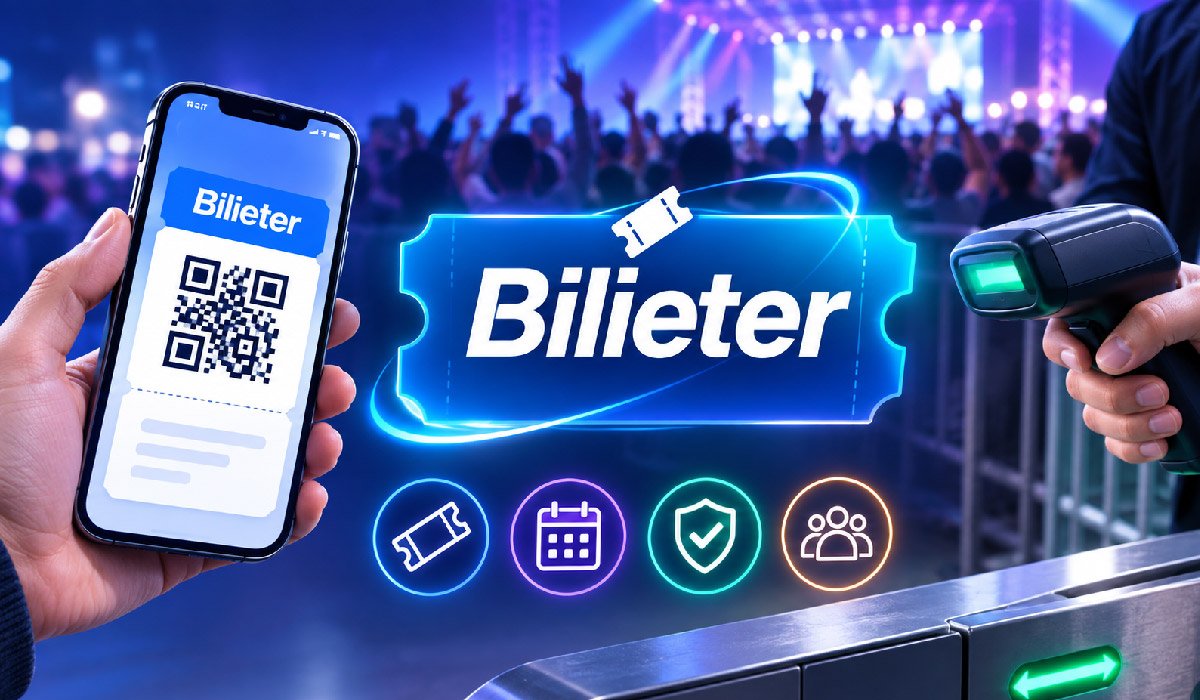
Buying tickets has changed greatly in recent years. Bilieter is a term people may find while searching for digital tickets, event entry, QR codes, and easier ways to manage modern events online.
Bilieter has gained attention because online ticketing is now common for concerts, sports, meetings, and community events. People want faster payments, simple mobile tickets, safer entry, and better event organization.
This guide explores Bilieter in detail, including its meaning, connection with digital ticketing, QR-code entry, ticket sales, event security, planning, smart technology, and important points organizers and buyers should understand.
What Is Bilieter?
Bilieter is a term closely connected with digital ticketing and event management. It is mainly discussed around online tickets, QR-code systems, ticket sales, guest entry, security, and the technology used for modern events.
The term can appear with different meanings depending on the context. In some cases, Bilieter refers to ideas and information surrounding digital ticket services. It may also be used when discussing tools designed for event organizers.
The easiest way to understand Bilieter is through the wider digital ticketing world. It brings together subjects that help buyers and organizers understand how tickets are purchased, delivered, checked, managed, and protected electronically.
Why Is Bilieter Becoming Popular?
Bilieter is becoming more noticeable because people increasingly search for quick and simple ticket solutions. Buyers no longer want to visit an office, wait in line, or carry a paper ticket everywhere.
Event organizers also need better ways to manage growing crowds. Digital systems can help them organize ticket types, follow sales, prepare entry points, and understand how many people are expected to attend an event.
Another reason is the growth of QR codes and mobile payments. These technologies have made digital entry familiar to everyday users. As interest in smarter event systems grows, terms such as Bilieter naturally attract more searches.
Understanding the Idea Behind Bilieter
The main idea connected with Bilieter is making ticket-related tasks easier through digital technology. Instead of depending on printed tickets, information can be handled electronically from the moment a person buys a ticket until entry.
For buyers, this means a simpler experience. They can search for an event, select a ticket, complete payment, and keep the ticket on a phone or receive it through email.
For organizers, digital ticketing provides another advantage. Event information can be organized more efficiently, while ticket sales and guest entry can be handled through systems designed to reduce unnecessary manual work.
Bilieter and Digital Ticketing
Digital ticketing replaces many traditional paper-based steps with electronic ones. A ticket can be purchased online and delivered digitally. Buyers can then keep the ticket on a smartphone instead of printing it.
A digital ticket usually contains information needed to identify the purchase. Depending on the ticket system, this can include a QR code, barcode, ticket number, event details, seating information, or the buyer’s basic details.
Bilieter is strongly connected with this modern ticketing idea. Understanding digital tickets is therefore one of the most useful ways to understand why the Bilieter term appears in discussions about events and ticket management.
How Digital Ticketing Works
The process normally begins when a customer chooses an event. The buyer selects an available ticket type, enters the required information, and completes payment through the ticket provider’s checkout system.
After payment, the system can create an electronic ticket. It may be sent through email, displayed inside an account, or made available through a mobile application. The buyer keeps it until event day.
At the venue, staff check the digital ticket using the system supported by the event. Once the ticket passes the required check, the guest can enter. This creates a mostly paper-free ticketing process.
Bilieter and QR-Code Tickets
QR codes have become an important part of digital ticketing. A QR code can contain or connect to information that allows a supported ticket system to identify a particular ticket quickly at an entrance.
When guests arrive, staff can scan the QR code using compatible equipment. The ticketing system checks the ticket information and helps staff decide whether the ticket is valid for entry.
This approach is useful at events with many visitors. Instead of reading every ticket manually, staff can process digital tickets more quickly. It can also help identify a ticket that has already been scanned.
Why QR Codes Are Useful for Events
QR codes are useful because they can be displayed directly on a smartphone. Buyers do not necessarily need a physical ticket as long as the event accepts a supported digital version.
They can also make check-in more organized. At a busy concert, sports match, or conference, scanning codes can reduce the amount of manual checking required from staff working at entry points.
However, organizers still need a good entry plan. Phones need enough battery power, scanners should be tested, and staff should understand the system. Technology works best when it is supported by proper event preparation.
Bilieter and Ticket Sales
Ticket sales are another important area linked with Bilieter. Modern online ticketing allows buyers to select and purchase tickets without travelling to a physical ticket counter or waiting until event day.
Different events may require different ticket structures. A concert could offer standard, early-entry, premium, and VIP tickets. A smaller community event might need only one ticket option for every visitor.
Organizers should keep the buying process easy to understand. Clear ticket names, prices, dates, event times, and conditions help customers know exactly what they are purchasing before completing an online payment.
Ticket Pricing and Extra Fees
The advertised ticket price is only one part of online ticketing. Depending on the provider, buyers or organizers may also face card-processing charges, booking fees, service costs, or other transaction-related expenses.
For this reason, event organizers should calculate the complete cost before selecting a ticket solution. A platform that initially appears inexpensive may cost more when additional charges are included in every transaction.
Payout rules are important too. Organizers should understand when ticket revenue becomes available and what happens when an event is cancelled. Clear financial rules can prevent confusion once ticket sales have already started.
Bilieter and Event Planning
Ticketing is closely connected with wider event planning. Knowing how many people have purchased tickets can help an organizer estimate attendance and prepare the venue for the expected number of guests.
This information may influence staffing, seating, security, food, parking, and entry arrangements. A small gathering requires a different plan from a large concert with thousands of ticket holders arriving within a short period.
Bilieter-related information can therefore be useful beyond simply understanding tickets. It introduces organizers to the practical questions they should consider when preparing an event and selecting technology to support their plans.
Managing Guests and Event Entry
A successful event needs an organized entry process. Guests should know where to go, what ticket to show, and what to do if their ticket cannot be scanned when they reach the entrance.
Organizers can prepare separate entry areas when necessary. For example, VIP guests and general ticket holders may use different lines. Clear signs and trained staff can make this process much easier.
Digital ticket systems can support entry management, but good planning remains important. Organizers should estimate busy arrival times and make sure enough staff and scanning devices are available to prevent unnecessary queues.
Bilieter and Event Security
Ticket security matters because fake, copied, or incorrectly used tickets can create problems for both organizers and genuine customers. Digital ticket technology provides several ways to improve the checking process.
Unique codes can help systems distinguish individual tickets. When a ticket has already been scanned, supported systems may record its status. This makes it easier for entry staff to notice repeated use of the same ticket.
Technology alone cannot handle every situation. Event teams should also have clear procedures for failed scans, customer identification problems, suspicious tickets, and other entry issues. Good security combines technology with trained staff.
Preventing Duplicate Ticket Use
A screenshot or copied ticket can become a problem when the same code reaches several people. A ticket-checking system can reduce this risk by recording when a particular ticket has already entered the event.
If the same code is presented again, staff may receive a warning that it was previously scanned. They can then investigate the situation rather than automatically allowing another person through the entrance.
Buyers also have a role in ticket safety. They should avoid posting ticket images online or sharing QR codes with strangers. Keeping digital ticket information private can reduce the chance of misuse before an event.
Internet and Offline Ticket Scanning
Internet access is an important consideration for digital events. Large crowds can put pressure on mobile networks, while some venues may already have weak Wi-Fi or poor cellular coverage.
If a ticket-checking system depends completely on a live connection, poor internet can slow down entry. This is why organizers should investigate whether their chosen ticket provider supports suitable offline or backup scanning options.
A test should be completed before guests arrive. Staff can check scanners, phones, batteries, internet access, and entry locations. Finding a problem early is much easier than dealing with it while hundreds of people are waiting.
Bilieter for Small Events
Digital ticketing is not limited to major concerts and sports stadiums. Small organizations can also use online ticket systems for local shows, school programs, workshops, charity events, and community gatherings.
Imagine an event with only 150 available places. A digital system can help organizers understand how many tickets have been taken and how much space remains without maintaining a complicated paper list.
Small organizers should avoid paying for unnecessary features. Their main needs may simply include ticket sales, secure payments, digital delivery, and easy check-in. The right system should match the actual size and complexity of the event.
Bilieter for Large Events
Large events create more difficult ticketing challenges. Thousands of people may purchase different ticket types and arrive within a short time. Organizers therefore need systems and procedures capable of handling greater demand.
Entry speed becomes especially important. Even a small delay for each guest can create long queues when thousands of tickets must be checked. Multiple scanners and properly planned entry points can help manage the crowd.
Large events must also consider customer support, refunds, security, ticket transfers, and payment processing. Organizers should test important systems before sales begin and again before opening the venue to ticket holders.
Bilieter and Smart Event Technology
Modern event technology goes beyond simple online payments. Cloud-based systems can keep important event information in one place and allow organizers to access useful data from computers, tablets, or smartphones.
Automation can also reduce repetitive work. Ticket confirmations, reminders, sales updates, and other basic tasks can be handled electronically when these functions are included in the selected event platform.
Bilieter is often connected with this broader discussion about smarter event technology. The important idea is not simply replacing paper. Modern ticketing aims to connect purchasing, communication, entry, and event information into a smoother digital process.
The Role of AI in Modern Ticketing
Artificial intelligence is becoming more common across many digital industries, including event technology. AI can be used to study large amounts of information and help businesses identify patterns more quickly.
Within ticketing, AI technology may support customer service, demand analysis, fraud detection, and sales forecasting. Automated assistants can also answer basic questions about event times, ticket rules, or other common customer concerns.
The usefulness of AI depends on how a particular event service uses it. Organizers should focus on practical benefits instead of choosing a platform simply because it uses modern technology. Reliable ticketing remains the main requirement.
Benefits for Ticket Buyers
Convenience is one of the biggest advantages of digital ticketing. Customers can often purchase tickets from home or while travelling instead of visiting a physical sales location during specific opening hours.
Keeping a ticket on a phone can also be easier than protecting a paper ticket for several days or weeks. Important event details may remain available alongside the electronic ticket until the event begins.
The buying experience still needs to be clear. Customers benefit most when ticket prices, fees, event dates, venue information, refund conditions, and entry instructions are easy to find before and after completing their purchase.
Benefits for Event Organizers
Organizers can save considerable manual work when ticket sales are handled electronically. Instead of maintaining paper records, event teams can use digital information to understand sales and prepare for expected attendance.
Ticket data can also help with planning. Knowing which ticket categories are selling can help teams estimate guest numbers, arrange staff, prepare seating, and decide how many entry points may be required.
Another benefit is organization. Ticket purchases, customer details, and attendance information can be easier to manage when they are stored within one suitable system. This can make preparation and event-day operations more efficient.
Digital Tickets vs Paper Tickets
Paper tickets are simple and familiar, but they can be lost, damaged, forgotten, or copied. Printing and distributing physical tickets can also create additional work for an organizer.
Digital tickets remove many of these steps. They can be delivered electronically and stored on a mobile device. At supported events, customers can simply display the required code when they reach the entrance.
Paper tickets have not disappeared completely, and some events may still use them. The better option depends on the audience and venue. Digital systems are especially useful when convenience, fast distribution, and electronic ticket management are priorities.
What to Check Before Choosing a Ticketing System
Start with pricing. Organizers should understand platform fees, payment-processing charges, refund costs, payout rules, and any other expenses. They should also know whether these charges are paid by the organizer or ticket buyer.
Next, examine event-day features. Check how tickets are scanned, whether several devices can be used, how the system handles weak internet, and what customer support is available when a technical problem occurs.
Finally, consider privacy and control over information. Organizers should understand how attendee details are handled and whether event records can be accessed when needed. Refund, cancellation, and ticket-transfer rules should also be reviewed before sales start.
Common Mistakes When Using Digital Tickets
One common mistake is waiting until event day to test the ticket system. Scanners, phones, internet connections, staff accounts, and entry procedures should all be checked before customers begin arriving.
Another mistake is making ticket choices confusing. Too many poorly explained categories can frustrate buyers. Every option should clearly show its price and what the customer receives for that ticket type.
Organizers should also prepare for exceptions. A phone may have a dead battery, a ticket might fail to load, or a code may not scan properly. Staff need a clear backup process for handling these situations.
The Future of Bilieter and Digital Events
Digital ticketing is likely to become even more connected with mobile technology. Faster check-in, contactless payments, digital passes, and better event-management tools can continue making ticket purchases and entry more convenient.
Automation and AI may also play larger roles. Event teams could use technology to study demand, answer common questions, identify unusual ticket activity, and understand attendance information more efficiently.
Bilieter fits naturally into this wider discussion about modern ticketing. As ticket technology develops, understanding QR codes, digital payments, security, event data, and customer experience will remain valuable for both organizers and ticket buyers.
Final Thoughts
Bilieter is best understood through its connection with digital ticketing, event management, QR-code entry, ticket sales, security, and modern event technology. These subjects explain why the term has attracted attention online.
For buyers, digital ticketing offers convenience and easier access to events. For organizers, it can simplify sales, guest management, attendance tracking, and entry when the right tools and planning methods are used.
The most important step is choosing carefully. Organizers should compare costs, payment rules, scanning options, security, privacy, refunds, and customer support. Understanding these areas makes it easier to select a ticketing solution suited to the event.
FAQs
What does Bilieter mean?
Bilieter is a term associated with digital ticketing and event management. It is commonly connected with subjects such as online ticket sales, QR-code entry, event planning, ticket security, payments, and modern technology used for managing events.
Is Bilieter related to digital ticketing?
Yes, Bilieter is strongly linked with information about digital ticketing. The topic covers how electronic tickets work, how buyers receive them, how QR codes can be scanned, and how organizers can manage event entry.
How do QR-code tickets work?
A QR-code ticket contains or connects to information used to identify a ticket. Event staff scan the code with supported equipment. The ticketing system then checks its status and can help identify codes that have already been used.
Can digital ticketing help prevent fake tickets?
Digital ticketing can reduce some forms of ticket misuse through unique codes and scan records. Organizers should combine these features with trained entry staff, clear security procedures, and safe methods for handling tickets that fail verification.
What should organizers check before choosing a ticketing tool?
Organizers should compare ticket fees, payment charges, payout times, refund rules, security, customer support, scanning options, internet requirements, privacy practices, and event-management features before choosing a system for their event.
Latest News And Amazing News. Visit: Insider Zine